
CATARACT
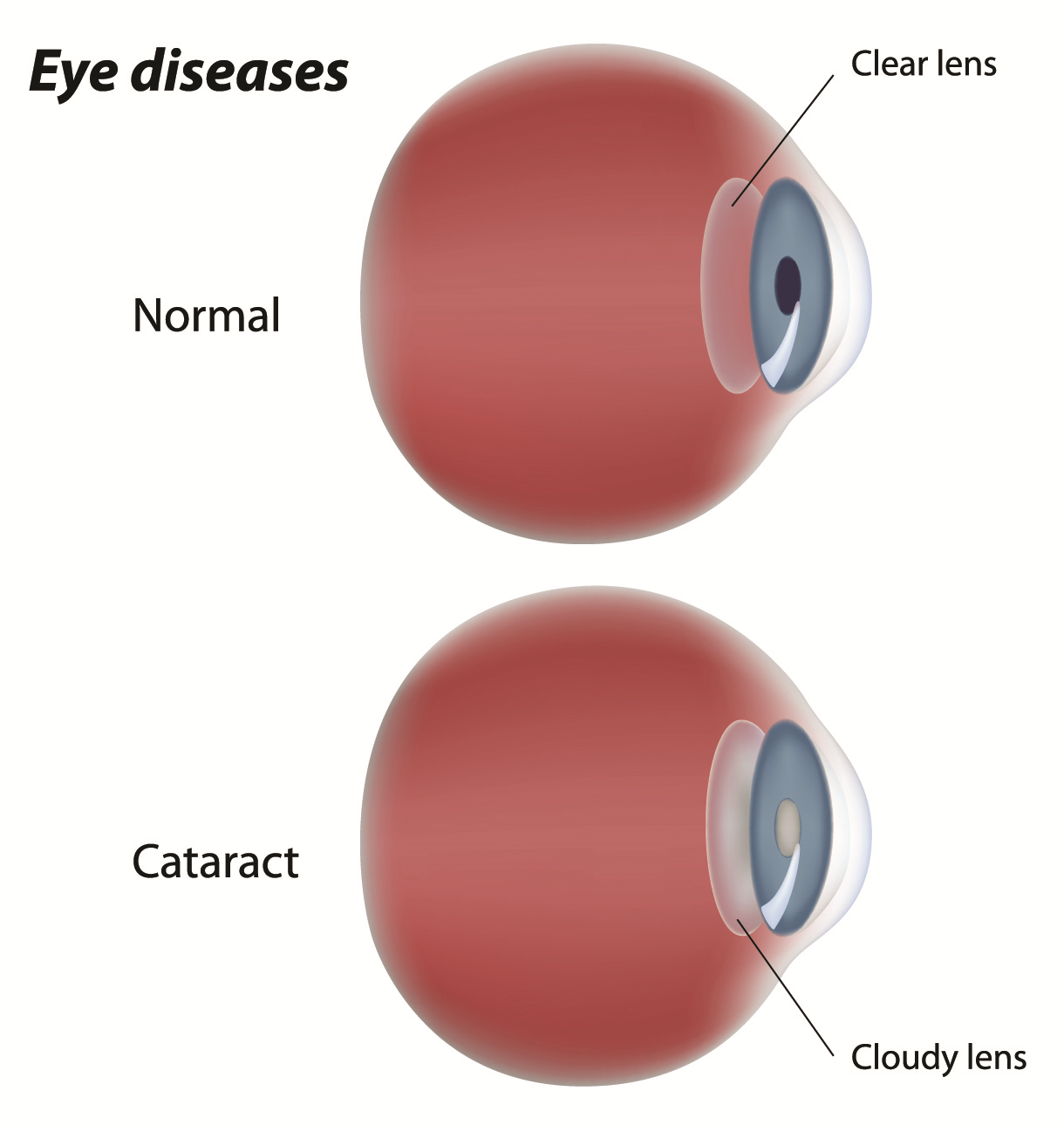
A cataract is a dense, cloudy area that forms in the lens of the eye. A cataract begins when proteins in the eye form clumps that prevent the lens from sending clear images to the retina. The retina works by converting the light that comes through the lens into signals. It sends the signals to the optic nerve, which carries them to the brain. It develops slowly and eventually interferes with your vision. You might end up with cataracts in both eyes, but they usually don’t form at the same time. Cataracts are common in older people. Over half of people in the United States have cataracts or have undergone cataract surgery by the time they’re 80 years old, according to the National Eye Institute.
Common symptoms of cataracts include:
- blurry vision
- trouble seeing at night
- seeing colors as faded
- increased sensitivity to glare
- halos surrounding lights
- double vision in the affected eye
- a need for frequent changes in prescription glasses
There are several underlying causes of cataracts. These include:
- an overproduction of oxidants, which are oxygen molecules that have been chemically altered due to normal daily life
- smoking
- ultraviolet radiation
- the long-term use of steroids and other medications
- certain diseases, such as diabetes
- trauma
- radiation therapy
- There are different types of cataracts. They’re classified based on where and how they develop in your eye.
- Nuclear cataracts form in the middle of the lens and cause the nucleus, or the center, to become yellow or brown.
- Cortical cataracts are wedge-shaped and form around the edges of the nucleus.
- Posterior capsular cataracts form faster than the other two types and affect the back of the lens.
- Congenital cataracts, which are present at birth or form during a baby’s first year, are less common than age-related cataracts.
- Secondary cataracts are caused by disease or medications. Diseases that are linked with the development of cataracts include glaucoma and diabetes. The use of the steroid prednisone and other medications can sometimes lead to cataracts.
- Traumatic cataracts develop after an injury to the eye, but it can take several years for this to happen.
- Radiation cataracts can form after a person undergoes radiation treatment for cancer.
Risk factors associated with cataracts include:
- older age
- heavy alcohol use
- smoking
- obesity
- high blood pressure
- previous eye injuries
- a family history of cataracts
- too much sun exposure
- diabetes
- exposure to radiation from X-rays and cancer treatments
Your doctor will perform a comprehensive eye exam to check for cataracts and to assess your vision. This will include an eye chart test to check your vision at different distances and tonometry to measure your eye pressure.
The most common tonometry test uses a painless puff of air to flatten your cornea and test your eye pressure. Your doctor will also put drops in your eyes to make your pupils bigger. This makes it easier to check the optic nerve and retina at the back of your eye for damage.
Other tests your doctor might perform include checking your sensitivity to glare and your perception of colors.
If you’re unable or uninterested in surgery, your doctor may be able to help you manage your symptoms. They may suggest stronger eyeglasses, magnifying lenses, or sunglasses with an anti-glare coating.
Surgery
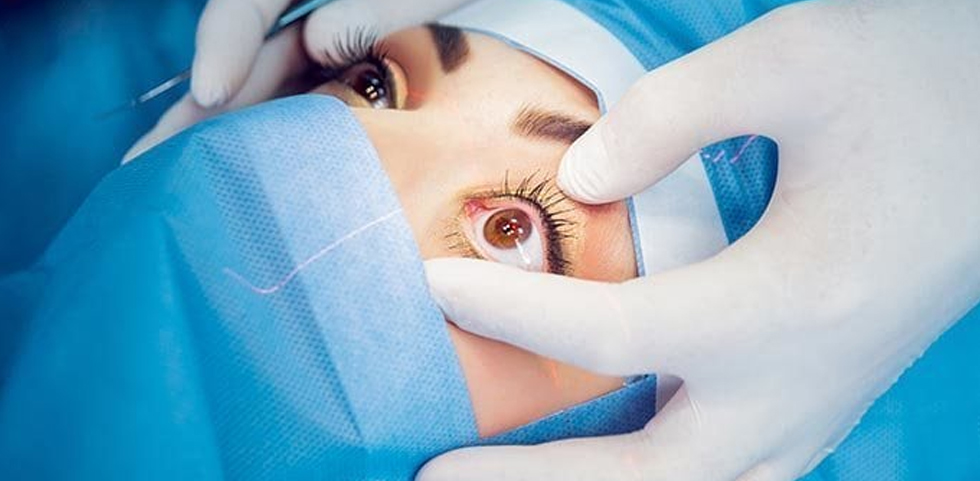
Surgery is recommended when cataracts prevent you from going about your daily activities, such as reading or driving. It’s also performed when cataracts interfere with the treatment of other eye problems.
One surgical method, known as phacoemulsification, involves the use of ultrasound waves to break the lens apart and remove the pieces.
Extracapsular surgery involves removing the cloudy part of the lens through a long incision in the cornea. After surgery, an artificial intraocular lens is placed where the natural lens was.
Surgery to remove a cataract is generally very safe and has a high success rate. Most people can go home the same day as their surgery.
Outlook of a Cataract
Cataracts can interfere with daily activities and lead to blindness when left untreated. Although some stop growing, they don’t get smaller on their own. The surgical removal of cataracts is a very common procedure and is highly effective roughly 90 percent of the time, according to the National Eye Institute.
Prevention of Cataracts
- To reduce your risk of developing cataracts:
- protect your eyes from UVB rays by wearing sunglasses outside
- have regular eye exams
- stop smoking
- eat fruits and vegetables that contain antioxidants
- maintain a healthy weight
- keep diabetes and other medical conditions in check