
UVEITIS
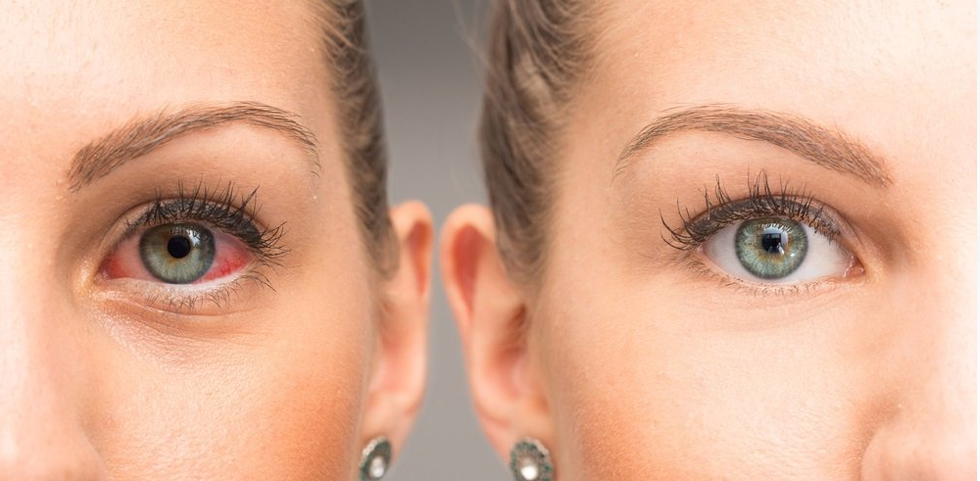
 Uveitis is a form of eye inflammation. It affects the middle layer of tissue in the eye wall (uvea).
Uveitis (u-vee-I-tis) warning signs often come on suddenly and get worse quickly. They include eye redness, pain and blurred vision. The condition can affect one or both eyes, and it can affect people of all ages, even children.
Possible causes of uveitis are infection, injury, or an autoimmune or inflammatory disease. Many times a cause can't be identified.
Uveitis is a form of eye inflammation. It affects the middle layer of tissue in the eye wall (uvea).
Uveitis (u-vee-I-tis) warning signs often come on suddenly and get worse quickly. They include eye redness, pain and blurred vision. The condition can affect one or both eyes, and it can affect people of all ages, even children.
Possible causes of uveitis are infection, injury, or an autoimmune or inflammatory disease. Many times a cause can't be identified.
Uveitis can be serious, leading to permanent vision loss. Early diagnosis and treatment are important to prevent complications and preserve your vision.
- Uvea where uveitis occurs
- Eye with uvea Open pop-up dialog box
- The signs, symptoms and characteristics of uveitis may include:
- Eye redness
- Eye pain
- Light sensitivity
- Blurred vision
- Dark, floating spots in your field of vision (floaters)
- Decreased vision
Symptoms may occur suddenly and get worse quickly, though in some cases, they develop gradually. They may affect one or both eyes. Occasionally, there are no symptoms, and signs of uveitis are observed on a routine eye exam.
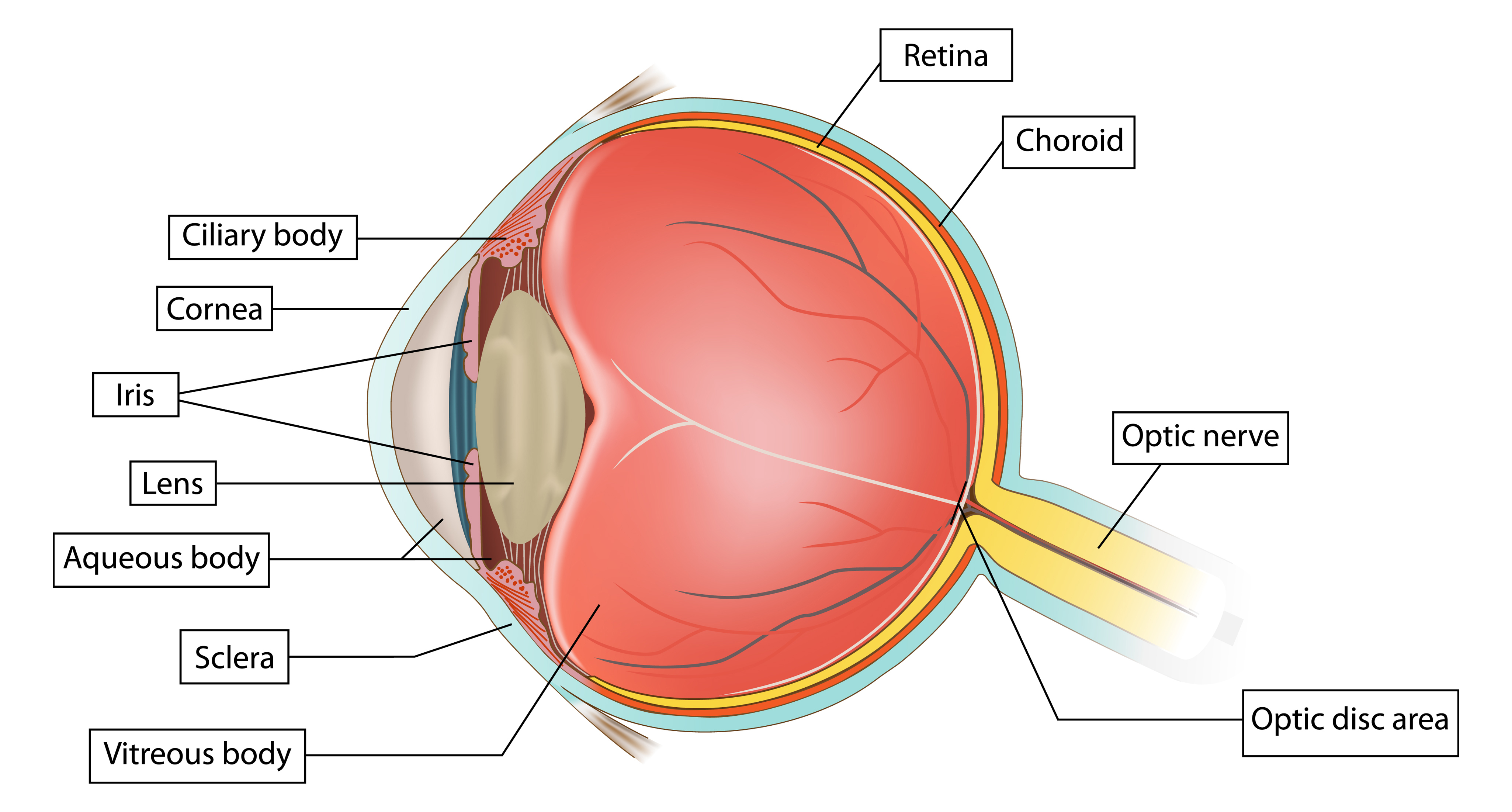
The uvea is the middle layer of tissue in the wall of the eye. It consists of the iris, the ciliary body and the choroid. When you look at your eye in the mirror, you will see the white part of the eye (sclera) and the colored part of the eye (iris).
The iris is located inside the front of the eye. The ciliary body is a structure behind the iris. The choroid is a layer of blood vessels between the retina and the sclera. The retina lines the inside of the back of the eye, like wallpaper. The inside of the back of the eye is filled with a gel-like liquid called vitreous.
The type of uveitis you have depends on which part or parts of the eye are inflamed:
- Anterior uveitis affects the inside of the front of your eye (between the cornea and the iris) and the ciliary body. It is also called iritis and is the most common type of uveitis.
- Intermediate uveitis affects the retina and blood vessels just behind the lens (pars plana) as well as the gel in the center of the eye (vitreous).
- Posterior uveitis affects a layer on the inside of the back of your eye, either the retina or the choroid.
- Panuveitis occurs when all layers of the uvea are inflamed, from the front to the back of your eye.
- When to seek medical advice
Contact your doctor if you think you have the warning signs of uveitis. He or she may refer you to an eye specialist (ophthalmologist). If you're having significant eye pain and unexpected vision problems, seek immediate medical attention.
In about half of all cases, the specific cause of uveitis isn't clear, and the disorder may be considered an autoimmune disease that only affects the eye or eyes. If a cause can be determined, it may be one of the following:
- An autoimmune or inflammatory disorder that affects other parts of the body, such as sarcoidosis, ankylosing spondylitis, systemic lupus erythematosus or Crohn's disease
- An infection, such as cat-scratch disease, herpes zoster, syphilis, toxoplasmosis or tuberculosis
- Medication side effect
- Eye injury or surgery
- Very rarely, a cancer that affects the eye, such as lymphoma
- Risk factors
- People with changes in certain genes may be more likely to develop uveitis. Cigarette smoking has been associated with more difficult to control uveitis.
- Left untreated, uveitis can cause complications, including:
- Retinal swelling (macular edema)
- Retina scarring
- Glaucoma
- Cataracts
- Optic nerve damage
- Retinal detachment
- Permanent vision loss